Step-by-Step Ledger Live App First Setup Guide Easy Onboarding
Follow our Step-by-Step Ledger Live App First Setup Guide. Configure Ledger Live and create your account with ease. Start your secure crypto journey today.
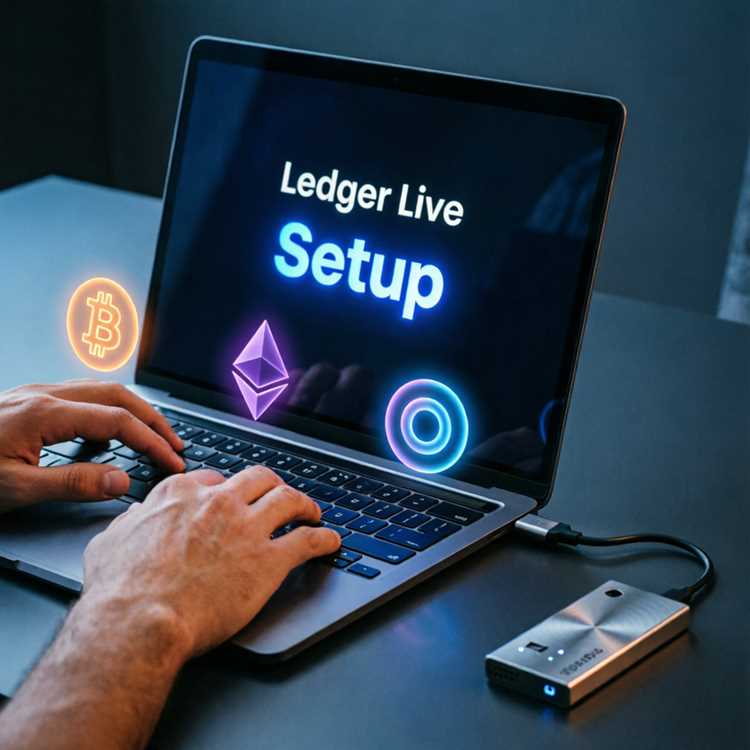
# Step-by-Step Ledger Live App First Setup Guide for Beginners
Setting up your first hardware wallet can feel overwhelming. This step-by-step Ledger Live app first setup guide for beginners removes the guesswork. You will learn how to install the software, connect your device, and manage assets safely.
Ledger Live is the official companion app for Ledger devices. It handles transactions, portfolio tracking, and staking in one place. By following this guide, you avoid common mistakes that lead to lost funds.
We cover everything from download checks to recovery phrase storage. Each section builds on the last, so you never feel lost. Let us start with the most misunderstood part of the process.
## What Happens Before You Install the Ledger Live App?
Most users rush to download software before checking their device. That approach creates security risks. Your computer might contain malware that steals your recovery phrase. Knowing what happens before installation protects you from keyloggers and fake apps.
Ledger devices work offline, but the app connects them to the internet. This connection allows balance checks and transaction broadcasts. The setup process involves both hardware and software steps that must happen in order.
Your recovery phrase is generated on the device screen, not in the app. That phrase is the master key to your funds. Never type it into a computer or phone. Understanding this division of tasks makes the rest of the process easier.
### Why the Order of Operations Matters
Installing the app before setting up your device creates confusion. The app cannot detect an uninitialized device properly. Following the correct sequence saves time and prevents errors.
The hardware initialization creates your private keys. The software then reads public addresses from the device. This separation ensures your keys never touch the internet. Every step in this guide follows that security model.
### Checking System Requirements
Your computer needs specific specs for smooth operation. Ledger Live runs on Windows 10 or newer, macOS 12 or newer, and most Linux distributions. Mobile devices need iOS 15 or Android 9 as minimum versions.
Memory usage stays around 200 MB during normal operation. Storage requirements increase as you add more accounts. A USB port is essential for desktop connections, while mobile uses Bluetooth with the Nano X.
Most modern computers meet these requirements without issues. Checking your OS version first prevents installation failures. Write down your system specs before starting.
### Avoiding Fake Software
Fake Ledger Live apps appear in search results and app stores. These clones steal your recovery phrase when you enter it. Only download from the official Ledger website or verified app stores.
The official download page uses a secure connection and shows a padlock icon. Double-check the URL before clicking any button. Bookmark the official page after your first visit to avoid typosquatting sites.
## Configuring Your Ledger Device for the First Time
Device configuration happens before you open the app. Your Ledger device arrives with a battery charge and a bootloader installed. The device needs initialization to generate your unique keys.
This process takes about 10 minutes if you stay focused. Do not rush through it. The choices you make here determine how you access your funds forever. Treat this step with the same care as creating a bank password.
Your device screen shows simple menus controlled by two buttons. The left button navigates, the right button confirms. Practice pressing both buttons before starting the actual setup.
### Choosing Your PIN Code
Your PIN unlocks the device for transactions. It should contain at least 4 digits, but 8 digits provide better security. Avoid birthdays, years, or repeating patterns. The PIN protects against physical theft of your device.
After 3 wrong attempts, the device resets itself. This reset wipes all keys, which is good for security but bad if you lack a backup. Your recovery phrase becomes your only way to restore assets after such a reset.
Store your PIN separately from your recovery phrase. Do not write the PIN on the device or its box. Memorization works best for PINs, while recovery phrases need paper backup.
### Generating and Recording Your Recovery Phrase
The device displays 24 words one at a time. Each word appears on the screen for about 30 seconds. You must write them down in exact order on the provided card or a piece of paper.
Never photograph the words with your phone. Never store them in a note-taking app. Never type them into your computer. The words exist only on paper and in your memory.
The device asks you to confirm random words after showing all 24. This verification ensures you recorded everything correctly. If you fail confirmation, the device restarts the process from scratch.
Physical storage matters as much as accurate recording. Use a fireproof safe or a bank deposit box. Consider splitting the phrase into two parts stored in separate locations. This protects against burglary and natural disasters.
## Ledger Live account creation and First Launch
Starting the software for the first time opens a welcome wizard. This wizard guides you through basic preferences and connection steps. The app checks for updates automatically during this phase.
Your Ledger Live account creation begins with accepting terms of service. Read these terms carefully, especially sections about fees and data usage. Most terms cover standard software licensing agreements.
The app then asks about analytics sharing. You can decline this without losing any functionality. Analytics help Ledger improve the product, but participation remains voluntary. Choose the option that matches your comfort level.
### Selecting App Preferences
Dark mode reduces eye strain during night sessions. The default theme follows your operating system settings. You can change this later in the settings menu.
Language selection affects all menus and help articles. English contains the most translated documentation. Other languages receive updates slightly later. Choose English if you want the newest features described in your language.
Currency display defaults to USD. You can switch to EUR, GBP, or crypto denominations. This choice only affects display, not actual conversion. Your actual balances remain denominated in their native cryptocurrencies.
### Connecting Your Device via USB or Bluetooth
Desktop connections use a USB cable included in the box. Plug the cable into your computer and the device. The device screen prompts you to unlock with your PIN.
Nano X users can connect through Bluetooth on mobile devices. Open the app and enable Bluetooth in your phone settings. The app lists nearby devices for pairing.
Bluetooth connections drain the device battery faster, but they allow wireless portfolio tracking. USB connections remain more stable for large transactions. Choose the method that fits your current situation.
### Updating Device Firmware
Your device ships with the factory firmware version. Updates add new coins, fix bugs, and improve security. The app prompts you when a new version becomes available.
Installing firmware updates takes about 5 minutes. The device screen shows progress bars during installation. Do not disconnect the device during this process, since interruptions risk bricking it.
Keep your recovery phrase nearby before updating. Some updates require reinitialization in rare cases. Having your backup ready prevents panic if something goes wrong.
## First Time Ledger Live App Navigation Guide
After setup, you land on the main dashboard. This screen shows your portfolio value and recent transactions. Empty portfolios display a zero balance with a setup prompt.
The left sidebar contains navigation links. Accounts show your individual wallets. Discover lists third-party apps. Settings control app behavior and security options.
Top bars display market prices and network status. These updates refresh every few seconds during active sessions. An internet connection is required for current data.
### Understanding the Dashboard
The portfolio chart displays your combined holdings across all assets. Green lines indicate upward price movement, while red shows declines. Historical charts span 24 hours up to one year.
Clicking any asset expands its details. You see transaction history, exchange rates, and staking options. Each asset opens in its own dedicated page with tailored actions.
Your total balance updates with every price change. This number reflects the current market, not your initial investment. Do not panic when the number drops; that is normal market volatility.
### Adding Accounts
Accounts represent specific cryptocurrencies on the blockchain. Adding a Bitcoin account creates a new address for receiving coins. Each asset requires at least one account before transactions become possible.
Click the Accounts tab and select Add Account. The app scans your device for supported apps. You may need to install the corresponding app on your device first.
Confirm the account addition on your device screen. The app verifies the public address and links it to your portfolio. You can add multiple accounts for the same asset if needed.
### Installing Coin Apps on Your Device
Each cryptocurrency has its own app on your Ledger device. Bitcoin, Ethereum, and others require separate installations. The app holds your private keys for that specific blockchain.
Open the Manager tab in Ledger Live to browse available apps. Search for your desired coin and click Install. The device prompts you to confirm the installation on its screen.
Storage space limits how many apps you can install simultaneously. The Nano S holds about 5 to 10 apps depending on size. The Nano X supports twice as many due to larger memory. Delete unused apps to free space, since your keys remain safe on the blockchain.
## How to Receive Your First Cryptocurrency
Receiving crypto generates a public address for the sender. This address is safe to share publicly. Anyone can send funds to it, but only your device can authorize withdrawal.
Click the Receive button on your asset account page. The app requests confirmation from your device. Your device displays the address for verification.
Compare the address on your screen with the one in the app. Matching characters confirm no tampering occurred. Only disconnect after you have verified the match.
### Understanding Address Formats
Bitcoin addresses start with bc1 for SegWit format or 1 for legacy format. Ethereum addresses begin with 0x followed by 40 hexadecimal characters. Each blockchain uses its unique format.
Sending to the wrong format results in lost funds permanently. Always copy addresses manually instead of relying on memory. Scanning QR codes from the app reduces transcription errors.
Transaction confirmations take time. Bitcoin requires 6 confirmations for full security, which takes about an hour. Ethereum typically needs 30 seconds per block, so 3 confirmations suffice normally.
### Verifying Addresses on Device
Always verify the address displayed in the app against the device screen. This step catches malware that replaces addresses during copying. The device shows the first few and last few characters for your confirmation.
Some devices show the full address across multiple screens. Scroll through all pages to see the complete address. Skipping pages increases the risk of missing a discrepancy.
Matching addresses enable safe transactions. Never skip this step, even for familiar senders. Malware can replace addresses invisibly during the copy-paste process.
## Configuring Ledger Live Security Settings
Security settings control how the app interacts with your device. Proper settings block unauthorized access and suspicious transactions. Review these options during your initial setup session.
Request manual confirmation for every transaction. Some users enable auto-approval for convenience, but that reduces safety. Keep manual confirmation enabled for all new accounts until you gain confidence.
Passphrase protection adds an extra word to your recovery phrase. This feature creates hidden wallets separate from your main accounts. It serves advanced users who require additional separation of assets.
### Enabling Two-Factor Authentication
Two-factor authentication adds a second verification step beyond your PIN. The app supports authenticator apps like Google Authenticator. This feature is not required for basic use, but it adds an extra layer of protection.
Open Settings and select Security. Look for the 2FA option and link your authenticator app. Record the backup codes during setup, since losing them locks you out of your account.
Enter the 6-digit code whenever you log in from a new device. This prevents unauthorized access even if your password gets stolen. For security, enable 2FA before adding significant amounts of crypto.
### Managing Connected Devices
The Devices section lists every Ledger hardware wallet linked to your account. Review this list periodically to spot unknown devices. Removing unknown devices prevents unauthorized access to your portfolio.
Firmware updates happen through this section as well. The app checks for newer versions and prompts installation. Keeping firmware current ensures compatibility with new blockchain features.
Disconnect unused devices to reduce attack surfaces. An unattended connected device creates risks in public spaces. Always lock your device manually after each session.
## First Transactions and Fees Explained
Sending cryptocurrency requires understanding network fees. These fees pay miners or validators who process transactions. Higher fees get processed faster, while lower fees wait longer.
The app calculates estimated fees based on network congestion. You can adjust the fee manually, but extreme values cause delays or failure. Select the standard fee for normal transactions unless urgency requires faster processing.
Transaction IDs track your transfer through the blockchain. Copy this ID after sending to verify completion. Block explorers like Blockchain.info display the status of your transaction.
### Estimating Network Fees
Each blockchain calculates fees differently. Bitcoin uses satoshis per byte, while Ethereum uses gwei per gas unit. The app translates these technical units into your local currency.
During peak times, fees rise dramatically. A tweet from a celebrity can spike Ethereum fees within minutes. Postponing non-urgent transactions during congestion saves money significantly.
Some assets support lower fees during off-peak hours. Weekend afternoons typically cost less than weekday busy times. Setting your own fee requires comparing current mempool status.
### Completing a Send Transaction
Click Send on the asset account page and enter the recipient address. Paste the address carefully or scan a QR code. Double-check every character before proceeding.
The app requests device confirmation for the transaction. Carefully review the amount, recipient, and fee displayed on the device. Confirm only if all details match your intention.
After confirmation, the transaction broadcasts to the network within seconds. Your transaction ID appears in the activity tab. Wait for the required confirmations before considering the transaction final.
## Troubleshooting Common Setup Issues
Setup rarely goes perfectly on the first attempt. Connection errors and update failures happen frequently. Understanding common problems helps you resolve them without panic.
USB detection failures occur when drivers are outdated or cables are faulty. Try a different cable and port first. Verify your operating system recognizes the device before troubleshooting the app further.
Bluetooth pairing issues affect Nano X mobile users. Turn off Bluetooth on both devices and restart. Some phones maintain stale pairings that need deletion before reconnection.
### Fixing Connection Drops
Intermittent disconnections frustrate users during long transactions. Close other programs using the USB port. Power-saving modes on laptops can interrupt USB power.
Try connecting the device directly to the computer rather than through a hub. Hubs add latency and sometimes fail to provide adequate power. Direct connections offer consistent performance.
Restart both the app and the device when problems persist. A clean slate resolves most temporary glitches. Reinstall the app if issues continue after restarting everything.
### Resolving Update Failures
Update failures usually result from unstable internet or insufficient storage space. Close other browser tabs that consume bandwidth. Free up disk space if your computer runs low on storage.
Check device storage before installing large coin apps. Each app takes between 10 and 100 MB depending on the blockchain. Delete unused apps to make room for new ones.
Factory reset acts as a last resort for persistent update issues. This wipes all keys and requires full device reinitialization. Only perform this step with your recovery phrase ready.
## Backup and Recovery Best Practices
Backups protect you against lost or damaged devices. Your recovery phrase serves as the ultimate backup. Store it carefully and test your ability to restore from it.
Write your phrase on acid-free paper without lamination. Lamination can trap moisture and degrade the ink over years. Use a steel back-up plate for long-term storage in extreme conditions.
Periodically test your recovery phrase by restoring a second wallet. This practice replaces guessing with verified knowledge. It also prepares you for emergency situations.
### Choosing Storage Locations
Home safes protect against theft but not fire or flood. Bank deposit boxes resist natural disasters but require business hours access. Split your backup across both locations for comprehensive safety.
Avoid hiding your phrase in books or under furniture. Thieves know common hiding spots well. A dedicated safe or bank box offers better protection for valuable phrases.
Rent a second deposit box in a different bank for maximum diversification. This protects against institutional failures or regional emergencies. Manage the cost against the value of your crypto holdings.
### Restoring from Seed Phrase on New Device
Restoration recreates your wallet from the recovery phrase. Enter the words in exact order on your new device. Incorrect word order produces a different wallet with no funds.
The device accepts only valid BIP39 words. Typos get rejected, so accuracy matters more than speed. Take your time entering each word correctly.
After restoration, the app detects your existing accounts. Your portfolio displays the same balances as before. Transactions resume as if nothing happened.
## Ledger Live Onboarding Alternatives and Options
Standard onboarding works for most users, but alternatives exist. Advanced users might prefer manual setup or expert mode. Choose the complexity level that matches your experience.
Expert mode reveals advanced settings like custom fees and network selection. Beginners should avoid these options until confident with basics. You can enable expert mode later when ready.
Recovery phrase services offer encrypted cloud backup options. These services divide your phrase into fragments stored on different servers. Weigh convenience against third-party trust before using them.
### Using Recovery Check Apps
Verification apps confirm your recovery phrase without exposing it. These tools run locally and never transmit your phrase. Run them periodically to catch transcription errors early.
Free alternatives exist through community projects, but verify their source code before use. Malicious checkers can steal your phrase. Stick with Ledger's official verification tool for safety.
Spend a few minutes each year confirming your phrase accuracy. This habit catches memory gaps before emergencies happen.
### Leaving Standard Onboarding Mode
Initial step-by-step Ledger Live app first setup guide for beginners works well for most people. Power users might find it restrictive after the first session. The app offers settings to skip repeated verifications.
Disable the welcome wizard to speed up future logins. Disable device confirmation for low-value transactions if you trust your surroundings. These changes reduce friction without sacrificing core security.
Revert to full verification anytime you feel uncomfortable. Security settings adjust to match your current environment. Prioritize safety during travel or when using public networks.
## Ledger Live FAQ: Quick Answers for Common Questions
### How long does Ledger Live setup take?
First time setup takes about 20 minutes total. Device initialization consumes 10 minutes, while software configuration takes another 10. Preparation time for recovery phrase storage adds extra minutes depending on your preparation.
### Can I use Ledger Live without a hardware device?
No, Ledger Live requires a hardware wallet to operate. The app manages your device but cannot function independently. Devices generate keys that the app uses for signatures.
### What happens if I lose my Ledger device?
Buy a new device and restore from your recovery phrase. Your funds remain safe on the blockchain. The old device cannot access your funds without the recovery phrase.
### Does Ledger Live support all cryptocurrencies?
Over 1,800 assets are supported through the app. Each asset needs its corresponding app installed on your device. Check the official supported asset list for specific coins.
### Is Ledger Live free to use?
The app itself is free to download and use. Network fees apply to transactions as required by each blockchain. Some DeFi services accessed through Discover charge their own fees.
### Can I use multiple devices with one Ledger Live account?
Devices link to the app one at a time. You can switch between devices by connecting them separately. Each device maintains its own set of private keys and wallet addresses.
**Portfolio Check**
| Setting | Recommended Value |
|---------|-------------------|
| PIN length | 8 digits |
| Recovery phrase storage | Fireproof safe |
| Firmware updates | Install immediately |
| Network fees | Standard for normal use |
| 2FA | Enabled when available |
| Device lock | After every session |
| Backup testing | Every 12 months |
| Expert mode | Disabled for beginners |
| Analytics sharing | Optional choice |
**Final Steps for a Safe Setup**
- Store your recovery phrase safely, and never share it online
- Verify every address on your device screen before confirming
- Keep your Ledger firmware updated with new releases
- Test your recovery phrase restoration annually to maintain access
- Review your portfolio regularly, and consider using the Ledger Live staking rewards feature for passive income opportunities
Your initial setup now looks complete. The Ledger Live installation process properly prepares you for managing digital assets safely. Future transactions become routine as familiarity grows.
Quick reminders during future sessions keep your workflow efficient. Visit the Ledger Live mobile download page to manage your assets on mobile devices. Also visit our main ledger page for hardware device options and features.
For easier navigation daily, use the Ledger Live simple interface mode. You can also exchange tokens Ledger Live to swap assets without additional wallets. Learning to start using Ledger Live fully will change how you manage digital finance.
You now have the full context for handling crypto safely. Every wallet user develops their own preferences over time. Apply these principles consistently and adapt them to your evolving needs.
Secure storage remains your personal responsibility, so taking ownership now protects your assets for years to come. Continue learning about blockchain technology to deepen your understanding, and you will minimize costly mistakes while maximizing the potential of your digital assets.