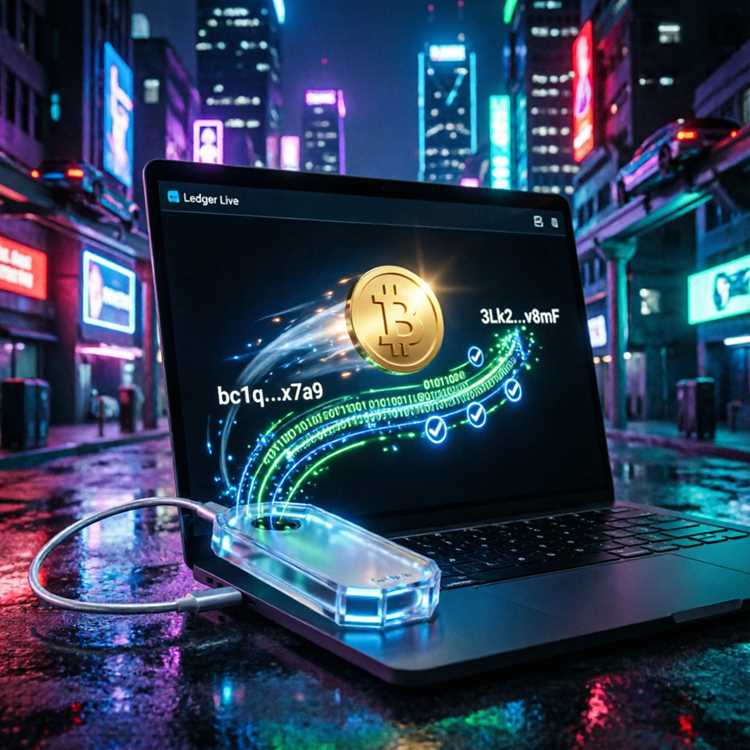
Managing digital assets requires a reliable tool. The process of sending and receiving cryptocurrency with Ledger Live App keeps your funds under your control. This guide explains every step for smooth transfers. You will learn how to send crypto Ledger Live and receive crypto Ledger Live without errors.
Ledger Live gives you a clear dashboard for wallet management. It connects hardware wallets to a friendly interface. Using the correct address prevents costly mistakes. Each transaction requires confirmation on your device. This combination of software and hardware ensures maximum safety.
Why Self Custody Changes How Users Handle Digital Money
Exchange wallets hold your assets on behalf of another company. Self custody means only you possess the private keys. Ledger Live provides a direct link to blockchain networks. Users gain true ownership over their coins and tokens.
Holding your own keys changes responsibility. You become your own bank. There is no customer support to reverse a mistaken transaction. Therefore, learning proper transfer methods matters.
The Shift from Centralized Platforms to Personal Wallets
Centralized platforms freeze accounts or limit withdrawals. Personal wallets avoid these restrictions. Ledger devices generate keys offline. Every outgoing transaction requires physical approval. This model gives users total authority over their portfolio.
Benefits of Direct Blockchain Interaction
- No waiting for approval from a third party.
- Access to decentralized applications directly.
- Full visibility of transaction history.
- Ability to interact with multiple networks.
Preparing Your Wallet for Your First Crypto Transfer
Proper setup prevents lost funds. Users should verify device firmware and app versions. Sending and receiving cryptocurrency with Ledger Live App depends on these components. Outdated software causes connection issues.
Install the specific blockchain app for your asset. Bitcoin requires the Bitcoin app. Ethereum needs the Ethereum app. Each coin works on its own network. Tron tokens need the Tron app installed.
Initial Setup Steps for New Users
- Buy a Ledger Nano X or Nano S Plus device.
- Connect the device to your computer using the USB cable.
- Set a PIN code known only to you.
- Write down the 24 word recovery phrase.
- Keep the recovery phrase offline in a safe place.
Installing Necessary Blockchain Applications
Open the Manager section inside Ledger Live. Search for the asset you want to manage. Click install and wait for completion. Ensure your device remains connected during this process. A full Ledger Live download and manager setup takes about five minutes.
Linking Your Hardware Device to the App
Plug the device into your computer. Unlock it with your PIN. Open Ledger Live on your desktop. The app detects the device automatically. Users choose between connected mode and Bluetooth mode for the Nano X. Connection status shows in the top left corner.
Locating the Correct Address for Receiving Payments
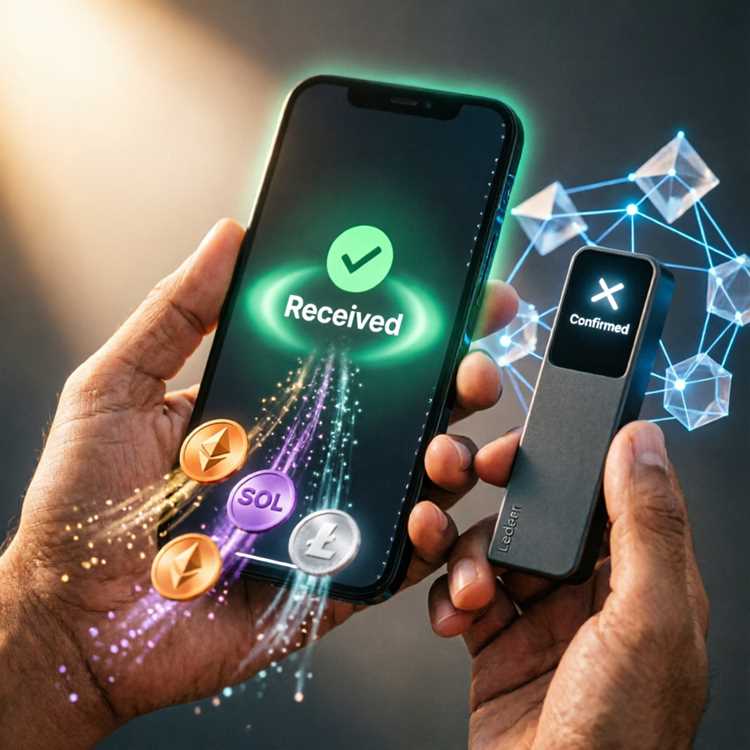
Receiving assets begins with generating a fresh address. Receive crypto Ledger Live by navigating to the Receive button. Always verify the address on your hardware screen. This verification step protects against malware attacks.
Addresses are long strings of characters. Copying them manually invites errors. The app allows direct copying to the clipboard. However, always compare the first and last characters. This practice keeps your funds safe.
Step by Step Guide for Receiving Assets
- Select the account that matches the asset you expect.
- Click the Receive button in the top right corner.
- Choose the correct network and asset type.
- Connect and unlock your Ledger device.
- Review the address shown in the app.
- Confirm the same address on your device screen.
- Share the address with the sender.
Understanding Different Address Formats
Bitcoin has several address formats. Legacy starts with the number 1. SegWit starts with bc1 or 3. Ethereum addresses always start with 0x. Sending to the wrong format can lose funds. Ledger Live automatically generates the correct format for each asset.
Address Reuse and Privacy Considerations
Reusing addresses exposes your transaction history. Each receive request generates a new deposit address. Balances can be checked without exposing previous transactions. Using fresh addresses increases privacy on public blockchains. This simple habit prevents address linking.
Initiating a Payment and Confirming Details
Sending cryptocurrency involves several checkpoints. Send crypto Ledger Live by opening the Send feature. The interface guides you through each field. Accuracy at this stage prevents irreversible errors.
Transactions cannot be undone once broadcast. Blockchain doesn't offer chargebacks. Double checking the recipient address becomes essential. The app displays the address on both screens for comparison.
Detailed Transfer Process for Outgoing Payments
- Click the Send button in Ledger Live.
- Enter the recipient address carefully.
- Input the exact amount of cryptocurrency.
- Review the network fees for the transaction.
- Verify all details on your Ledger device.
- Press confirm on the hardware wallet.
- Wait for blockchain confirmation.
Choosing the Right Network Fee
Fees determine transaction speed. Higher fees mean faster confirmation. Lower fees cause delays during congestion. Ledger Live suggests three fee levels. Users can customize the fee manually. Each blockchain has its own fee structure. Ethereum requires gas fees for computation.
Verifying Transaction Details on Hardware
Your Ledger screen shows the address and amount. Compare these characters with what appears on your computer. Scammers use malware to change addresses. Hardware verification stops these attacks. If details differ, cancel the transaction immediately.
Tracking Pending and Completed Transactions Within the App
Ledger Live organizes all transfer activity in one place. Users monitor status from initiation to final confirmation. Sending and receiving cryptocurrency with Ledger Live App shows real time updates. Each transaction has a dedicated history entry.
Pending transactions show a clock icon. Completed transactions show a checkmark. Failed transactions display an error symbol. Explanations help users understand the reason for failure. Patience is required during network congestion.
Interpreting Transaction Statuses Correctly
- Pending status means the network hasn't processed the transaction.
- Success status confirms the transaction was added to a block.
- Failed status indicates the transaction was rejected.
- Dropped status means the mempool removed it.
Using Block Explorers for Advanced Tracking
Click the transaction ID to open an external explorer. This tool shows the number of confirmations. Six confirmations are standard for Bitcoin security. Ethereum requires about thirty confirmations. The Ledger Live transaction history is a useful resource when checking detailed data.
Managing Nonce and Gas for Ethereum Transfers
Each Ethereum transaction uses a nonce. This number orders transactions from your wallet. Stuck transactions can be replaced. Increase gas to push pending transfers. Ledger Live simplifies this process in the expert mode. Advanced users can customize raw transaction parameters. Read more about this in the Ledger Live expert mode guide.
Security Measures That Protect Every Transfer
Every crypto user needs strong security habits. Ledger devices isolate private keys from internet connected devices. This hardware design is a core advantage. Security measures reduce the risk of theft. Ledger Live secure practices include hardware verification and PIN protection.
Phishing attacks target crypto holders. Fake websites resemble real services. Always verify the URL before entering information. Ledger will never ask for your recovery phrase. Anyone requesting this phrase is a scammer.
Critical Security Rules for Every User
- Never reveal your 24 word recovery phrase.
- Store the phrase in a metal or paper backup.
- Use a strong PIN that isn't easily guessed.
- Verify addresses on the hardware screen.
- Beware of unsolicited messages offering help.
Avoiding Common Scams and Phishing Attempts
Scammers create urgent situations to trick users. They claim your account is compromised. They direct you to malicious websites. Legitimate support never asks for remote access. Always navigate to Ledger Live directly from your browser.
Securing Your Recovery Phrase
The recovery phrase grants permanent access to your funds. Write it on the provided card. Never store it digitally. Split the phrase into multiple safe locations. Consider a fireproof and waterproof container. Your phrase is the ultimate backup for your assets.
Transferring Different Assets and Network Types
Cryptocurrency exists on multiple blockchains. Each network follows different protocols. Sending crypto Ledger Live works across many chains. Supported assets include Bitcoin, Ethereum, Solana, and XRP. Token standards exist for each layer.
ERC20 tokens run on Ethereum. BEP20 tokens run on BNB Smart Chain. TRC20 tokens run on Tron. Ledger Live manages these through dedicated apps. Assets must match the network of the receiving address.
Comparing Networks Supported by Ledger Live
| Network | Native Asset | Common Tokens |
|---|---|---|
| Bitcoin | BTC | Ordinals |
| Ethereum | ETH | USDT, USDC, LINK |
| Solana | SOL | JUP, RAY |
| BNB Chain | BNB | CAKE, UNI |
| Polygon | MATIC | USDC, DAI |
| Tron | TRX | USDT |
Avoiding Cross Network Transfer Errors
Only use compatible address types for each network. Ethereum addresses work on Polygon. However, tokens might be unrecoverable. Always confirm the receiving network before sending. Ledger Live displays warnings for uncommon networks.
Comparing Ledger Live With Alternative Wallet Solutions
Many wallets exist for managing crypto. Some run directly in browsers. Others live on mobile devices. Hardware wallets provide superior security. Ledger Live combines a feature rich interface with physical protection. This comparison helps users understand the difference.
Software wallets are free and simple. They store private keys on your device. Malware can steal these keys. Hardware wallets keep keys offline. Transaction signing occurs inside the secure chip. Ledger Live acts as the interface for this chip.
Ledger Live vs MetaMask Differences
MetaMask works as a browser extension. It handles Ethereum tokens with ease. Private keys stay on your computer. Ledger Live offers a broader asset range. It connects to hardware wallets. For security, Ledger wins every time. See our full analysis of Ledger Live vs MetaMask for a deeper comparison.
Software Wallets vs Hardware Wallets
Software wallets are convenient for beginners. Hardware wallets require a physical device. Users must purchase hardware upfront. In exchange, they get unmatched key protection. Online threats cannot reach the hardware chip.
Selecting the Right Wallet for Your Needs
Small balances might warrant a mobile wallet. Large holdings require hardware protection. Active traders need a balance of speed and safety. Ledger Live supports both modes. Users choose the level of control they prefer.
Resolving Common Transfer Complications and Errors
Occasionally a transfer fails or stalls. Users should remain calm and diagnose the issue. Common causes include incorrect fees or network congestion. The app occasionally provides helpful error descriptions. A systematic approach resolves most problems.
Before troubleshooting, update your software. Older versions cause compatibility issues. An update Ledger Live App process fixes known bugs and glitches. Check the connection between your device and computer.
Why Stuck Pending Transactions Happen
Low fees make transactions unattractive to miners. The transaction waits in the mempool for processing. Sudden network demand increases required fees. Users have two options. Wait, or replace the transaction with a higher fee.
Fixing Connection Problems with the Hardware Device
- Try a different USB cable.
- Use a different USB port.
- Restart Ledger Live software.
- Reboot the hardware device.
- Disable browser extensions that interfere.
Contacting Support and Using Diagnostic Tools
Ledger Live includes diagnostic features. Check system requirements and device connectivity. These tools identify configuration errors. Consult the support documentation for common scenarios. The troubleshoot Ledger Live guide provides additional help. Users can also contact official support directly.
Earning Rewards on Held Assets Using Built In Features
Beyond simple transfers, users can earn passive income. Ledger Live allows staking from the dashboard. This feature lets cryptocurrency holdings generate value. Staking secures networks while rewarding participants. Users delegate assets to validators.
Eligible assets include Cardano, Polkadot, Tezos, and Solana. Interest rates vary by network and time period. Rewards appear automatically in your account. Annual percentage yields depend on market conditions. Ledger Live staking provides detailed return information.
Assets Available for Staking Through Ledger Live
| Asset | Estimated Yield | Lock Up Period |
|---|---|---|
| Cardano | 3 to 5 percent | None |
| Polkadot | 10 to 14 percent | 28 days |
| Tezos | 5 to 6 percent | None |
| Solana | 6 to 8 percent | None |
How Staking Rewards Are Distributed
Validators process network transactions. They earn rewards for their work. Delegators share a portion of those rewards. Ledger Live tracks your earned amount. Withdraw staked funds at any time, subject to network rules.
Risks Associated with Staking Assets
Validators might behave poorly and face penalties. This process is called slashing. Networks may halt temporarily. Staked assets can lose value. Study each network's rules before committing. Rewards do not guarantee a profit.
Mastering the Interface With Advanced Settings
Primary features work for most users. But advanced settings add extra control. Users can adjust derivation paths and custom nodes. Understanding these options is valuable. Each setting has a direct impact on privacy and speed.
Experts configure their own blockchain nodes. This setup improves privacy. Third party nodes, by default, see your connection data. A personal node keeps requests local. Setting this up requires technical knowledge.
Customizing Transaction Fees for Faster Processing
Default fee settings balance cost and speed. Advanced users can set custom values. Click the advanced options during a transaction. Input a manual fee rate. Monitor the network for optimal pricing.
Using Third Party Tools With Ledger Live
Connect your Ledger to external interfaces. WalletConnect works with many web apps. SOLflare interacts with Solana programs. This gives users access to DeFi features. The device always approves transactions. Ledger Live simple navigation makes all these options accessible.
Exploring the Settings Menu for Customization
Access settings to change currency display. Select dark mode to reduce eye strain. Set default fee levels for regular use. Configure countersign value for additional security. All these options personalize your workflow.
Frequently Asked Questions About Ledger Live Transfers
This section answers common questions about money movement. New users often ask the same things. Reviewing these answers saves time and prevents mistakes.
How Long Does a Bitcoin Transfer Take in Ledger Live?
Bitcoin blocks occur every 10 minutes. Confirmation usually takes 10 to 60 minutes. High network traffic causes delays. Ledger Live updates automatically when mined.
Can I Use Ledger Live Without a Hardware Device?
Yes, the app works as a software wallet. However, this setup is less secure. Hardware devices offer essential private key protection. Using the app alone exposes keys to the device.
What Happens If I Send Assets to the Wrong Address?
Funds become irretrievable. Blockchain transactions are permanent. Always verify addresses carefully. There is no reversal mechanism. Do not trust anyone who promises recovery of these funds.
Does Ledger Live Charge Fees for Transfers?
The app itself charges zero service fees. Users pay network fees only. These fees go to miners or validators. Profit comes from the spread in exchange services.
Why Does My Transaction Show Zero Confirmations?
The transaction is waiting to be included in a block. Miners prioritize transactions with higher fees. Increase the fee to speed up the process. Otherwise, wait until congestion decreases.
Sending and receiving cryptocurrency with Ledger Live App is a smooth process when you understand each step. Users gain full control over their digital assets. Hardware verification ensures security at every stage. Keep your recovery phrase safe and you own your funds seamlessly.